
A Kathayan Knowledge Journey · Chapter 02
Takshashila
Takshashila (Taxila) · Rawalpindi district, Punjab, present-day Pakistan
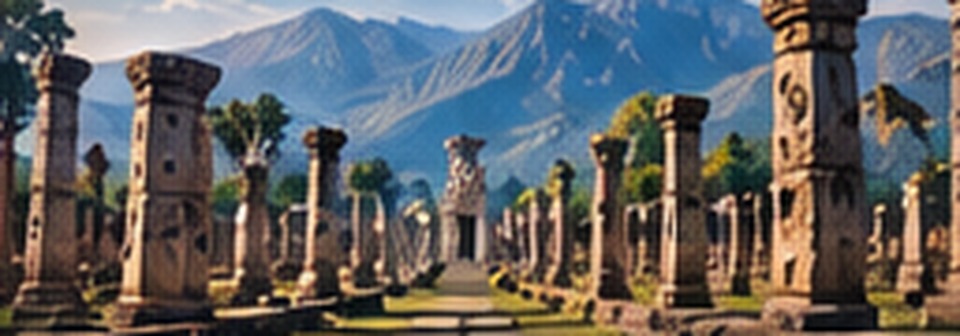
The history, geography and cultural weight of Takshashila — its teaching system, celebrated acharyas and students, the subjects taught, its links with ancient India and Central Asia, and its historical decline.
Historical context
Takshashila stood on the routes that linked the Gangetic plain with Central Asia and the Iranian world. It was a city of trade and empire before it was remembered as a city of learning, and both facts belong together.
Story narrative
Students came to Takshashila to study with a named teacher rather than to enrol in an institution. A young man would travel for weeks, present himself to an acharya, and stay in his household until the teacher judged him finished. There was no single administration, no common seal — the city's reputation was the sum of its teachers.
Its subjects were practical as much as speculative: medicine, grammar, archery, statecraft, accountancy. Buddhist literature preserves repeated stories of princes and physicians trained here, and those traditions — rather than institutional records — are the main reason the city is remembered as a seat of learning.
Takshashila's decline followed the fortunes of the region rather than a single catastrophe. Shifting trade routes, changing rulers and successive invasions in the early centuries CE reduced the city; what remains today is an extensive archaeological landscape rather than a standing campus.
Timeline
c. 6th–5th century BCE
Takshashila is established as a regional capital and trading city.
c. 4th century BCE
The city passes through Achaemenid, Greek and Mauryan spheres of power.
1st–2nd century CE
Kushana-era prosperity; Buddhist monastic building at its height.
5th century CE
The city is largely abandoned after repeated disruption.
1980
The Taxila archaeological remains are inscribed as a UNESCO World Heritage Site.
Map & location
The remains are spread over several mounds and monastery sites rather than one enclosure.
Important personalities
Chanakya (Kautilya)
Associated with Takshashila in tradition as teacher of statecraft.
Jivaka
Physician of the Buddha's time, described in Buddhist texts as trained at Takshashila.
Panini
Grammarian of the north-west; linked to the region, though the connection is traditional rather than documented.
Fields of learning
- Medicine and surgery
- Grammar and language
- Statecraft and law
- Archery and military training
- Astronomy and accountancy
Historical sources
Jataka literature
The largest body of stories placing students at Takshashila; literary in form, and read accordingly.
Excavations at Taxila
Twentieth-century excavation reports record the city mounds, stupas and monastery layouts.
Greek and Chinese accounts
External descriptions of the city's position on the trade and campaign routes.
Key facts
- Character
- A city of many teachers, not a single administered university
- Heritage status
- UNESCO World Heritage Site (1980)
- Evidence base
- Literary tradition and archaeology; institutional records do not survive
Glossary
- Jataka
- Buddhist narrative literature recounting previous lives of the Buddha, often set in known cities.
- Stupa
- A domed structure raised over relics, central to Buddhist monastic sites.
References
Visual Edition
Unavailable before 01 January 2027.
Originally released on the official VMN News YouTube Channel.